As Integrating Business Workflow Systems with Cloud Solutions takes center stage, this opening passage beckons readers into a world crafted with good knowledge, ensuring a reading experience that is both absorbing and distinctly original.
In today's fast-paced business environment, the integration of workflow systems with cloud solutions has become paramount for organizations seeking efficiency and flexibility in their operations. This article delves into the intricacies of this integration, exploring the benefits and challenges that come with merging these two technologies.
Introduction to Integrating Business Workflow Systems with Cloud Solutions
In today's rapidly evolving business landscape, the integration of business workflow systems with cloud solutions has become increasingly crucial for organizations looking to streamline operations and enhance efficiency.
Business workflow systems refer to the structured set of tasks, activities, and processes that are designed to achieve specific business goals. These systems help in automating and optimizing various workflows within an organization, leading to increased productivity and reduced manual errors.
On the other hand, cloud solutions involve the delivery of computing services, including storage, databases, software, and analytics, over the internet. These solutions offer scalability, flexibility, and cost-effectiveness, allowing businesses to access resources on-demand without the need for on-premise infrastructure.
By integrating business workflow systems with cloud solutions, organizations can experience a myriad of benefits. This includes improved collaboration among teams, enhanced data security, scalability to accommodate growth, and the ability to access information from anywhere at any time.
Benefits of Integrating Business Workflow Systems with Cloud Solutions
- Enhanced Collaboration: Cloud-based workflow systems enable real-time collaboration among team members, regardless of their physical location. This promotes seamless communication and productivity.
- Cost-Effectiveness: Cloud solutions eliminate the need for costly hardware and maintenance, allowing businesses to pay for services on a subscription basis and scale resources as needed.
- Data Security: Cloud providers offer robust security measures to protect sensitive business data, including encryption, access controls, and regular backups, ensuring data integrity and compliance.
- Scalability: Cloud solutions provide the flexibility to scale resources up or down based on business requirements, allowing organizations to adapt to changing market conditions and demands.
- Accessibility: With cloud-based workflow systems, employees can access critical information and applications from any device with an internet connection, enabling remote work and increasing operational efficiency.
Understanding Business Workflow Systems
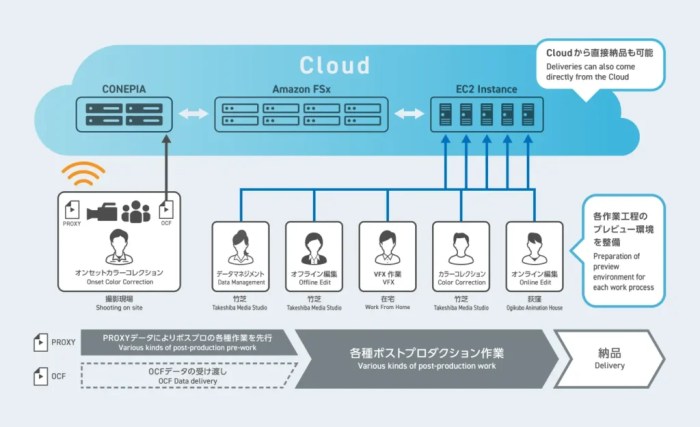
Business workflow systems are software applications designed to automate, manage, and streamline the flow of tasks, information, and documents within an organization. These systems help in coordinating the various steps involved in completing a specific business process, ensuring efficiency, accuracy, and transparency.
Functions of Business Workflow Systems
- Automate repetitive tasks: Business workflow systems can automate routine tasks, reducing manual intervention and saving time.
- Centralize document management: These systems provide a centralized platform for storing and managing documents, ensuring easy access and version control.
- Track progress: Workflow systems allow users to track the progress of tasks and processes in real-time, enabling better monitoring and decision-making.
- Improve communication: By facilitating communication between team members and departments, these systems enhance collaboration and information sharing.
Popular Business Workflow Systems
- Microsoft Power Automate: Formerly known as Microsoft Flow, this system integrates seamlessly with Microsoft products like Office 365, SharePoint, and Dynamics 365.
- Zapier: Zapier is a popular automation tool that connects various apps and services to automate workflows without any coding.
- Kissflow: Kissflow is a cloud-based workflow software that allows organizations to create custom workflows for different processes.
Streamlining Processes Within an Organization
- Efficiency: Business workflow systems eliminate bottlenecks and delays, ensuring that processes are completed in a timely manner.
- Consistency: These systems enforce standardized processes, reducing errors and ensuring uniformity in operations.
- Cost savings: By automating tasks and streamlining workflows, organizations can reduce operational costs and improve overall productivity.
Overview of Cloud Solutions
Cloud solutions have become an integral part of modern business operations, offering a wide range of benefits and flexibility. These solutions involve storing and accessing data and applications over the internet instead of on local servers or personal devices.
Types of Cloud Solutions
There are mainly three types of cloud solutions: private, public, and hybrid. Each type offers different levels of control, security, and customization to meet the diverse needs of businesses.
- Private Cloud:This type of cloud solution is dedicated to a single organization, providing high levels of security and control over data and applications. It is ideal for businesses with strict compliance requirements.
- Public Cloud:Public cloud solutions are offered by third-party providers and are accessible to multiple organizations. They are cost-effective and scalable, making them suitable for small to medium-sized businesses.
- Hybrid Cloud:Hybrid cloud solutions combine elements of both private and public clouds, allowing businesses to leverage the benefits of both. This type of cloud solution is suitable for organizations with varying workload demands.
Advantages of Cloud Solutions for Businesses
Implementing cloud solutions in business operations offers numerous advantages, including:
- Scalability and Flexibility: Businesses can easily scale their resources up or down based on their needs, ensuring optimal performance and cost-efficiency.
- Cost-Effectiveness: Cloud solutions eliminate the need for upfront hardware and software investments, reducing overall IT costs for businesses.
- Accessibility and Collaboration: Cloud solutions enable employees to access data and applications from anywhere, promoting remote work and collaboration among teams.
- Enhanced Security: Cloud providers invest heavily in cybersecurity measures to protect data, offering enhanced security features and regular updates to safeguard sensitive information.
- Disaster Recovery and Backup: Cloud solutions provide automated backup and recovery options, ensuring business continuity in the event of data loss or system failures.
Integration Strategies for Business Workflow Systems with Cloud Solutions
When integrating business workflow systems with cloud solutions, there are key considerations that need to be taken into account to ensure a smooth and successful integration process. It is essential to carefully plan and implement the integration to maximize efficiency and productivity within the organization
Key Considerations for Integration
- Compatibility: Ensure that the business workflow system and cloud solution are compatible and can seamlessly work together without any conflicts.
- Data Security: Implement robust security measures to protect sensitive data when transferring it between the workflow system and cloud solution.
- Scalability: Consider the scalability of both systems to accommodate future growth and increased workload demands.
- Integration Costs: Evaluate the costs associated with integration, including setup, maintenance, and any additional resources required.
Best Practices for Seamless Integration
- Thorough Planning: Develop a detailed integration plan outlining the steps, timelines, and responsibilities of each team involved.
- Testing: Conduct thorough testing of the integrated systems to identify and address any issues before full implementation.
- Training: Provide adequate training to employees on how to use the integrated systems effectively to maximize benefits.
- Continuous Monitoring: Regularly monitor the integrated systems to ensure they are functioning as intended and make necessary adjustments as needed.
Examples of Successful Integration Approaches
- Company X successfully integrated their business workflow system with a cloud-based project management solution, streamlining project collaboration and increasing productivity.
- Organization Y implemented seamless integration between their CRM system and a cloud-based marketing automation platform, improving customer engagement and sales performance.
Security and Compliance Aspects of Integrating Workflow Systems with Cloud Solutions
When integrating business workflow systems with cloud solutions, security and compliance play a crucial role in ensuring the protection of sensitive data and adherence to regulatory requirements.
Common Security Challenges
- Lack of visibility and control: One of the main challenges is the loss of visibility and control over data when it moves to the cloud, making it susceptible to unauthorized access.
- Data breaches: Integrating workflow systems with cloud solutions can increase the risk of data breaches if proper security measures are not in place.
- Compliance issues: Meeting industry-specific compliance regulations can be challenging when data is stored and processed in the cloud.
Strategies for Data Security and Compliance
- Implement strong encryption: Encrypting data both in transit and at rest can help protect it from unauthorized access.
- Regular security audits: Conducting regular security audits and assessments can help identify vulnerabilities and ensure compliance with regulations.
- Access control measures: Implementing strict access control measures and user authentication protocols can prevent unauthorized users from accessing sensitive data.
Importance of Data Protection Measures in a Cloud Environment
- Protecting sensitive data: Data protection measures are essential to safeguard sensitive information from cyber threats and data breaches.
- Compliance requirements: Adhering to data protection measures is crucial for meeting compliance requirements and avoiding penalties or legal consequences.
- Building trust: By implementing robust data protection measures, businesses can build trust with customers and partners, reassuring them that their data is secure.
Case Studies of Successful Integration Projects
In this section, we will explore case studies of companies that have successfully integrated their workflow systems with cloud solutions, analyzing the impact on their business operations and productivity, and extracting key lessons learned from these projects.
Case Study 1: Company A
- Company A, a medium-sized manufacturing firm, integrated their workflow systems with cloud solutions to streamline their production processes.
- This integration led to a 20% increase in efficiency, as tasks were automated and employees could access real-time data from anywhere.
- Key lesson learned: Proper training and change management are crucial when implementing such integrations to ensure smooth adoption by employees.
Case Study 2: Company B
- Company B, a financial services company, integrated their workflow systems with cloud solutions to enhance collaboration among teams working remotely.
- This integration resulted in a 30% reduction in project completion time, as team members could work together seamlessly regardless of their location.
- Key lesson learned: Data security and compliance measures must be robustly implemented to protect sensitive information when integrating workflow systems with cloud solutions.
Case Study 3: Company C
- Company C, a global retail chain, integrated their workflow systems with cloud solutions to improve inventory management and supply chain visibility.
- This integration led to a 15% decrease in stockouts and a 25% increase in on-time deliveries, resulting in higher customer satisfaction.
- Key lesson learned: Regular monitoring and evaluation of the integrated systems are essential to identify areas for further optimization and improvement.
Closing Notes

In conclusion, the integration of business workflow systems with cloud solutions offers a myriad of advantages for organizations looking to streamline their processes and enhance data security. By implementing best practices and learning from successful case studies, businesses can navigate this integration effectively, paving the way for improved productivity and operational efficiency.
FAQ Insights
How can integrating business workflow systems with cloud solutions benefit my organization?
Integrating these technologies can lead to improved efficiency, scalability, and data security, enabling seamless collaboration and streamlined processes across departments.
What are some key considerations when integrating workflow systems with cloud solutions?
Key considerations include data migration, compatibility of systems, security protocols, and ensuring regulatory compliance to safeguard sensitive information.
Which type of cloud solution is most suitable for small businesses integrating workflow systems?
For small businesses, a public cloud solution may be more cost-effective and easier to implement, offering scalability and accessibility without the need for extensive infrastructure.
How can companies ensure data security when integrating workflow systems with cloud solutions?
Companies can employ encryption protocols, regular security audits, access controls, and data backup strategies to enhance data security and protect sensitive information from unauthorized access.